
Historian: The Declaration of Independence Is Not the Christian Creed Some Claim It to Be
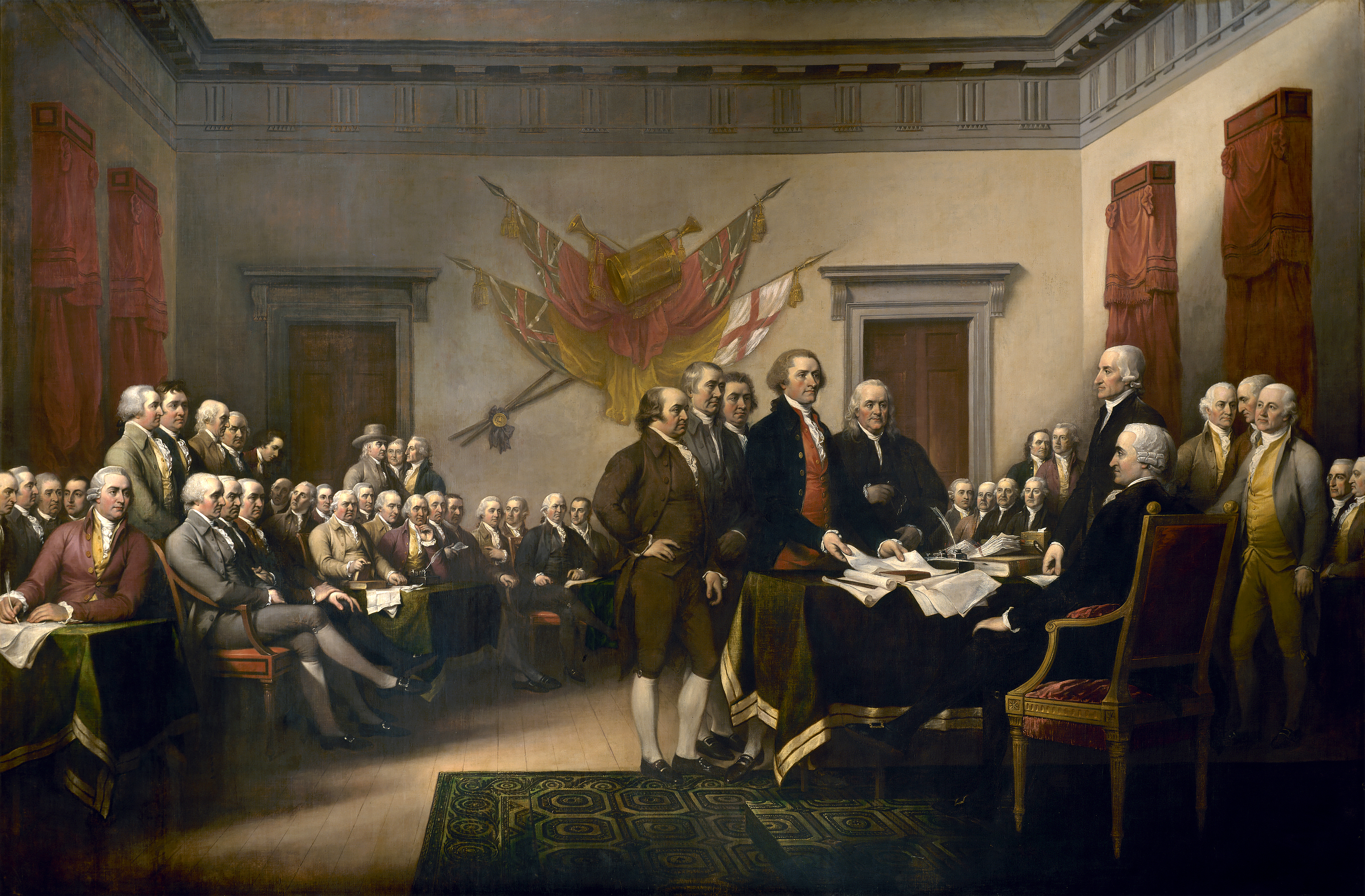
WASHINGTON -- Is the Declaration of Independence a Christian document? The question resurfaces regularly in American life -- House Speaker Mike Johnson once wrote that he believed Thomas Jefferson was "divinely inspired" when he drafted it -- and historian John Fea takes it up in a new book excerpt published this week in Christianity Today.
Fea, a historian at Messiah University, argues that modern readers fixate so much on the document's four references to God that they miss what the founders actually intended. The Declaration was not written as a theological treatise, he says, but as a practical political act: an announcement to the world that the colonies were breaking from England and claiming a place among the nations.
Historians back him up on the context. Pauline Maier has noted that the founders did not see themselves as producing a classic statement of American political principles, and David Armitage has shown the Declaration was, in an important sense, a foreign-policy document -- affirming the norms of 18th-century statecraft rather than upending them. In the words of one reading Fea endorses, the Declaration was "decidedly un-revolutionary."
The Christian language, however, is real. Fea walks through the four passages where God appears: the "laws of nature and of nature's God" that justify the separation; the "Creator" who endows people with "unalienable rights" including "life, liberty and the pursuit of happiness" -- a phrase added by Benjamin Franklin, replacing Jefferson's original wording; the appeal to the "supreme Judge of the world," added on the floor of Congress; and the closing "firm reliance on the protection of divine Providence."
Each reference, Fea argues, was deliberately broad. Jefferson's "nature's God" was a phrase deists, Unitarians, freethinkers, and Christians could all accept. The "Creator" was left undefined. The "supreme Judge" points toward future judgment -- a theme some Christians may find familiar -- but did not require affirming the deity of Christ or the resurrection. And "divine Providence" described a God actively sustaining the world, a conviction nearly all the men in Philadelphia in 1776 could share.
In the end, Fea says Christians may be disappointed: the Declaration never mentions Jesus Christ and never quotes Scripture, so "we would be hard-pressed to describe the Declaration as a uniquely Christian text." Yet the founders did affirm a God who gives rights, governs the world by providence, and will one day judge it.
The essay draws a line between that sober original and what came later. Nineteenth-century abolitionists, suffragists, and above all Abraham Lincoln turned the Declaration into something like "American Scripture" -- a usable past in service of liberty and equality. Fea urges readers not to make the same kind of mistake today: the document deserves to be understood for what it was -- the birth announcement of a nation -- rather than a creed it never claimed to be.
Read the original at Christianity Today.